
Resin Coated Driveways: A Comprehensive Guide
More and more homeowners are choosing a resin driveway to improve their outdoor space. This guide will cover everything you need to know about a resin coated driveway, including the benefits, installation, maintenance and pricing.
What is a Resin Coated Driveway?
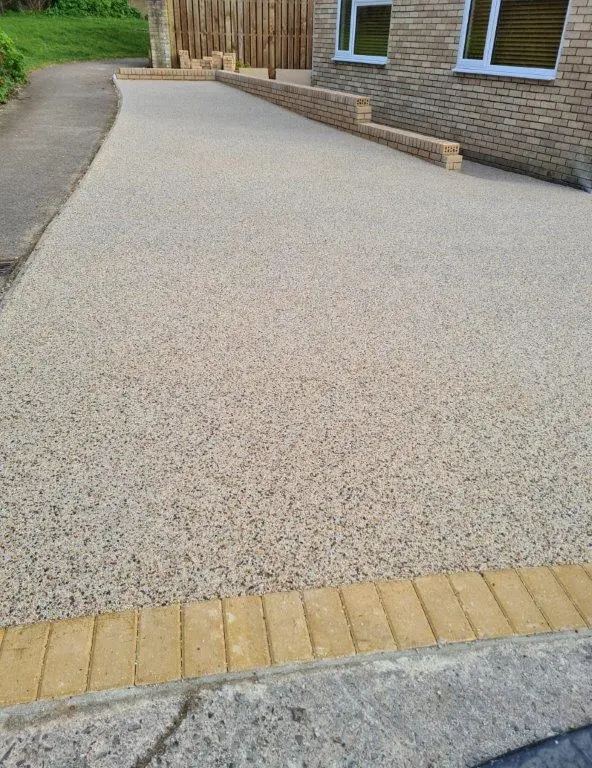
A resin coated driveway is a driveway with a layer of resin on top, resin is a liquid that hardens to create a hard and smooth surface.
A resin coated driveway is a surface made by mixing resin with aggregate materials like gravel, stones or sand. Then the mixture is applied over a prepared concrete base and you get a long lasting, smooth and looking great coating. Resin driveways are known for their versatility as they can be coloured, patterned and textured to fit any style.
Benefits of Resin-Coated Driveways
Durability and Permanence
Resin driveways are very durable and their surfaces can withstand heavy use without cracking or fading. They are resistant to weather conditions like rain and snow and ultraviolet (UV) radiation so you get a hard surface.
Visual appeal
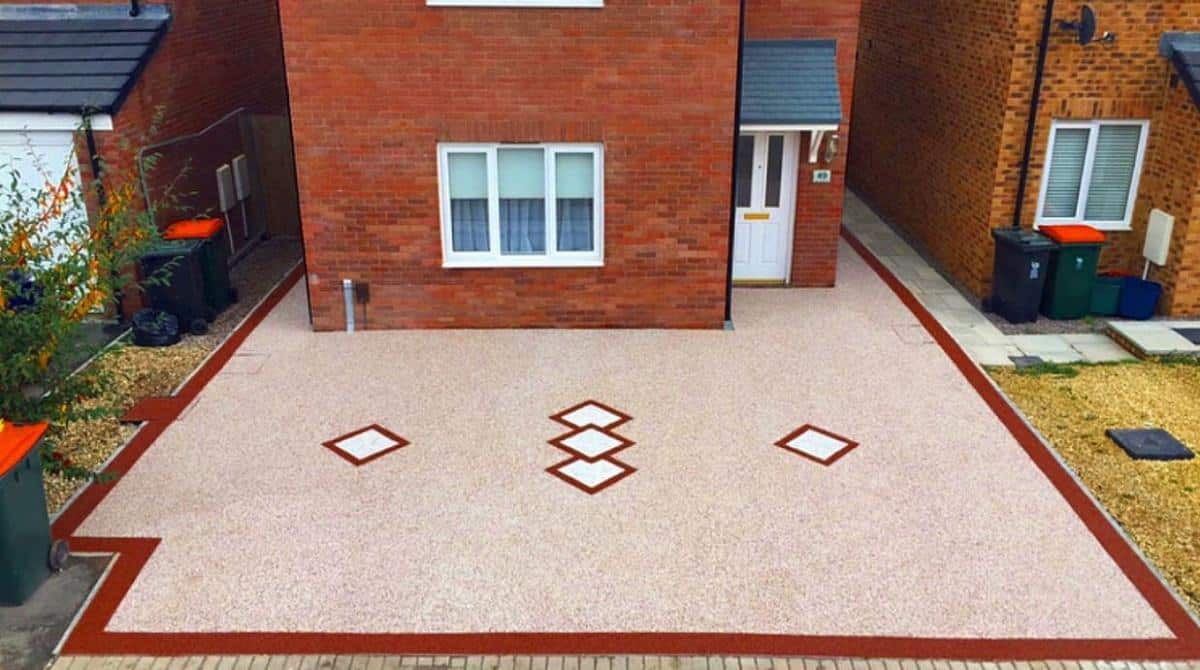
The visual versatility of resin driveways is one of their biggest selling points. Homeowners can choose from a range of colours and finishes to enhance their exterior. The smooth surface looks sleek and modern.
Low maintenance
Resin driveways require minimal maintenance compared to other types of paving. Weeds can’t grow through and any dirt or debris can be hosed or power washed away.
Permeability and eco friendly

Resin driveways are more porous and permeable so water can pass through the surface and reduce the risk of flooding and puddles. Their permeability makes them a sustainable option as they help with water runoff.
Types of Resin Driveways
Resin driveways can be categorised into two main types: resin bound surface, and resin bonded.
Resin bound driveway
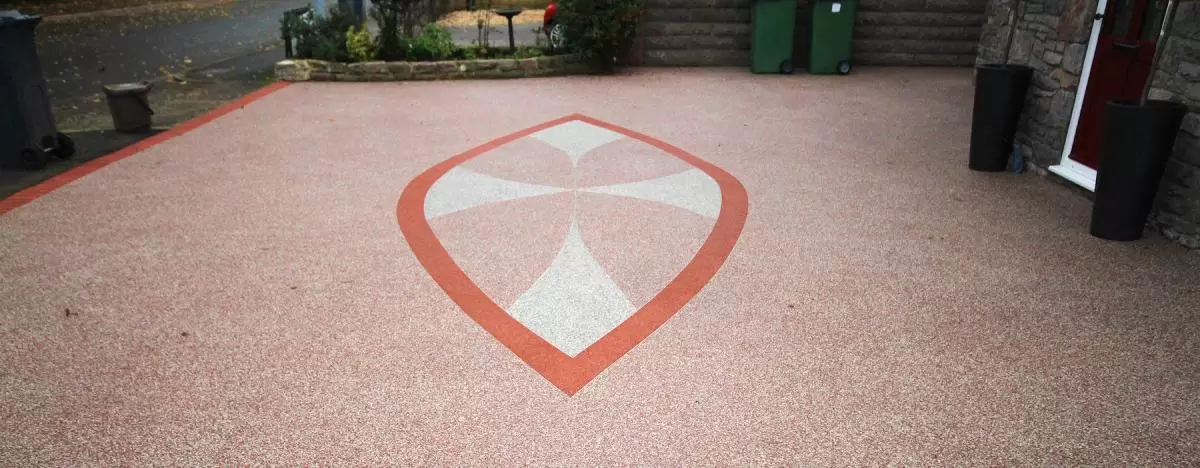
In a resin bound driveway system, the aggregate and resin are mixed together before being applied to the surface. This creates a smooth and permeable surface that allows water to drain. Resin bound driveways are more durable and have a higher visual appeal as they are seamless.
Resin Bonded Driveways
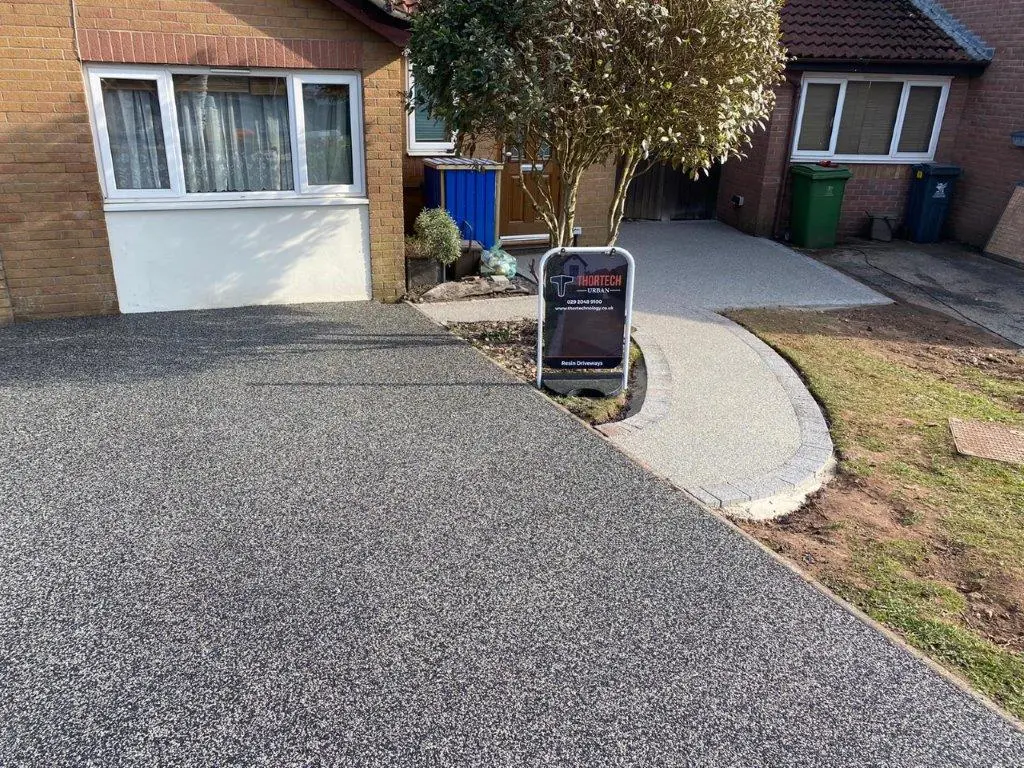
In resin bonded driveways the resin is applied to the surface first and then the aggregate is scattered on top. This creates a rougher non porous finish. Resin bonded roads with gravel are still durable but not as permeable as resin bound driveways.
Installation process
Installing a resin coated driveway involves several stages to get a great finish. Here is a step by step guide:
Base preparation
First stage is the sub base preparation which involves removing any existing surface and making sure the ground is level. Then a sub base material like crushed stone or concrete is then laid over existing one and compacted.
Edging
Edging materials like bricks, stones or metal strips are laid around the edges of the driveway to create a clear border and provide structural reinforcement.
Mixing the Resin and Aggregate
To get a even mix the resin and aggregate are mixed in a compulsory action mixer. The resin to aggregate ratio is critical to get the desired uniformity and durability.
Applying the Mix
The mix is then poured over the prepared base and spread evenly with trowels and rakes. This is crucial for resin bound gravel driveways to get a smooth and even surface.
Curing time
The surface needs to cure and harden which takes 24 to 48 hours. During this time the driveway should be kept free of foot and vehicle traffic.
Finishing touches
Once the curing process is complete any final adjustments or cleaning is done to get finished surface to a perfect finish. This may involve removing any excess aggregate or refining any minor imperfections.
Maintenance
Resin coated driveways are easy to maintain but regular maintenance will extend its life and keep it looking its best.
Maintenance tips
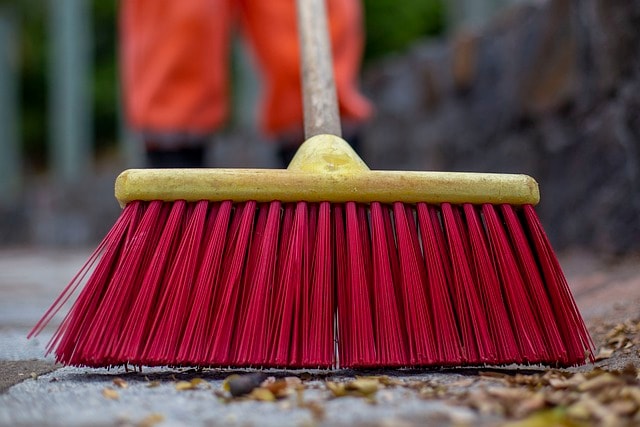
To maintain the longevity and appearance of your resin coated driveway, here are some helpful tips:
- Regularly sweep and clean the surface to remove any debris or dirt.
- Avoid using harsh chemicals or pressure washers as they can damage the resin coating.
- Promptly repair any cracks or potholes to prevent further damage.
- Use a weed killer to prevent any unwanted growth on the surface.
Here are some maintenance tips:
Basic Maintenance
Clean the driveway with a hose or pressure washer to remove dirt, leaves and debris. To remove stubborn stains use a gentle detergent and a soft bristle brush.
To prevent stains treat any oil or chemical spills immediately. Use a resin surface cleaner to remove any blemishes without damaging the surface.
Weed control While resin driveways are resistant to weed growth, occasional weed control may still be needed at the edges or in any cracks. Use a herbicide that is compatible with your resin driveway surfaces to control any unwanted vegetation.
Avoid Excessive Load
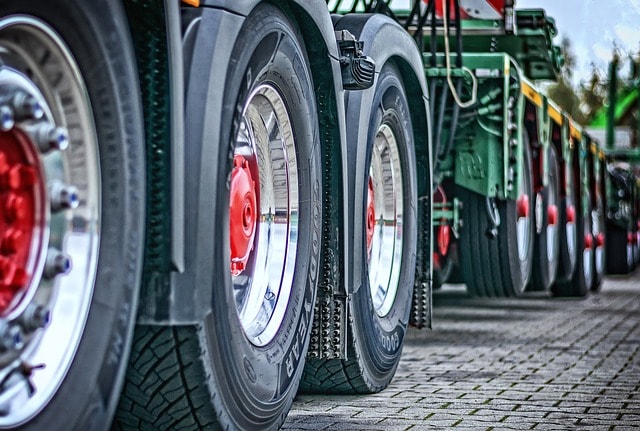
To get the most out of resin driveways don’t park heavy cars on the surface to avoid any damage or indentation.
Regular checks

Check the driveway regularly for any signs of damage or wear. Attend to any issues like cracks or any other loose stones or gravel particles as soon as possible to keep the surface structurally sound.
Considerations
The cost of a resin coated driveway can vary depending on:
Driveway size
Larger driveways will require more material and a little maintenance labour so will cost more.
Resin type
Resin bound driveways are more expensive than resin bonded driveways because they have a better finish and require more labour to mix and spread the material.
Aggregate choice
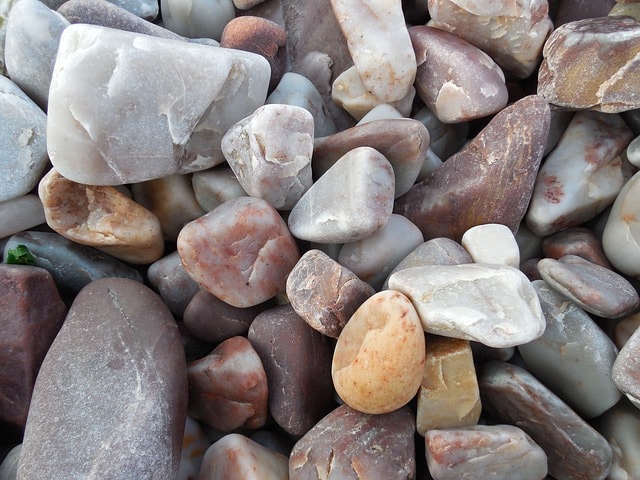
The choice and quality of aggregate used can also impact the cost. Higher quality or coloured aggregates will cost more.
Pre work
The amount of preparation required such as removing an existing surface or levelling the ground can add to the cost.
Labour costs
Labour prices can vary depending on the complexity of the installation and the rates of contractors in your area.
Eco Friendly

Resin coated driveways have many eco benefits making them a great option for homeowners:
Permeability means the ability of a material to allow substances to pass through it.
Resin bound driveways have a permeable structure and porous surface that allows water to drain through the surface so reducing the risk of flooding and helping to replenish ground water levels.
Reclaimed materials
Many resin driveways use recycled aggregates like glass or re-used stones so reducing the need for primary raw materials.
Thermal reduction
Resin driveways use light coloured aggregates that can reflect the sun so reducing the heat island effect associated with darker paving materials.
Common issues and solutions
Resin driveways are low maintenance and long lasting but can have a few common problems:
Cracks

Cracks can occur due to ground movement or excessive weight. Minor cracks can be fixed with a resin patching kit but larger cracks will need a specialist.
Colour change and UV Stable Resin

Prolonged exposure to ultraviolet (UV) light can cause some resins to fade over time and turn yellow. To prevent this use UV resistant glue during installation of resins.
UV stable resin is a type of resin that is resistant to the effects of ultraviolet (UV) light. This means that it will not fade or change color when exposed to sunlight over time. UV stable resin is commonly used in outdoor applications, such as in driveways and pavements, where it will be constantly exposed to sunlight. It helps to maintain the aesthetic appearance and durability of the surface by preventing discoloration and fading due to UV rays. Overall, UV stable resin adds to the longevity and overall quality of resin coated surfaces.
So, if you want your driveway or pavement to remain looking its best for years to come, it is important to choose a UV stable resin during the installation process. This will ensure that your surface maintains its color and appearance, even with constant exposure to sunlight. Additionally, investing in UV stable resin can save you money in the long run by reducing the need for frequent maintenance or repairs due to fading or discoloration. With advances in resin technology, there are now more options than ever when it comes to choosing a UV stable resin for your driveway or pavement.
Particle dispersal
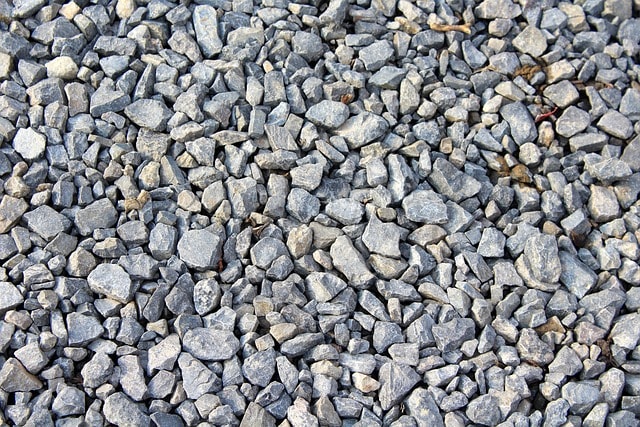
Over time some aggregate particles on bound surface can become loose. To fix this you can apply a thin layer of resin over the affected area to re-bond the loose stones to the aggregate.
Plant growth
Although rare weeds can grow in any gaps or borders. Regular maintenance and applying weed control products will prevent this.
Future of Resin Driveways
The resin driveway market is always changing with new trends and products.
New Resin Technologies
Resin technology is advancing with more robust, UV resistant and eco friendly options.
More Design Options
Homeowners are looking for unique and bespoke designs for their driveways. This means patterns, colours, logos and mixed aggregate colours to add aesthetic appeal and a personal touch.
Sustainable Solutions
Sustainability is driving eco friendly resin options that use recycled materials and are more permeable.
Intelligent Pavements
Smart solutions like heated driveways are being used by tech savvy homeowners.
Resin Coated or Block Paving?
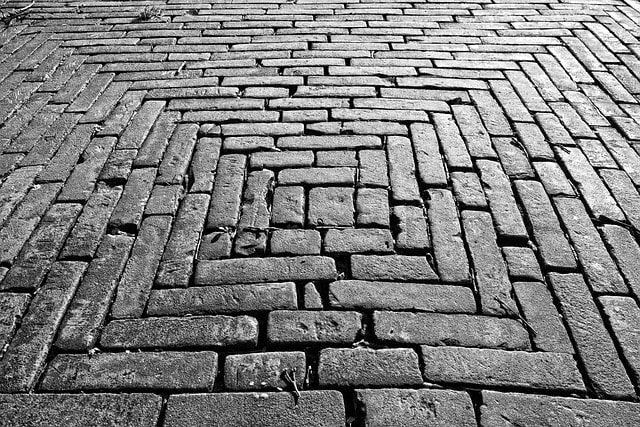
there has been a long debate between which is the better option for driveways. Block paving may have been the traditional choice for many years, but resin coated driveways are gaining popularity due to their durability, low maintenance, and aesthetic appeal.
One of the main advantages of resin coated driveways over block paving is that they are more flexible and less prone to cracking. While block paving can become uneven or crack due to ground movement or heavy weight from vehicles, resin coated driveways can withstand these pressures without issue. They are also less likely to develop weeds as there are no gaps in between pavers where seeds can germinate.
Additionally, resin coated driveways offer a wider range of design options. With the ability to mix different colors and aggregate sizes, homeowners can create a personalized and unique look for their driveway that reflects their style and complements their home’s exterior.
Another key difference between the two is maintenance. While block paving requires regular cleaning and re-sanding to prevent weed growth and maintain its appearance, resin coated driveways only need occasional sweeping or power washing to keep them looking pristine.
In terms of cost, it may seem like block paving is the more affordable option upfront. However, over time, the cost of maintenance for block paving can add up, making resin coated driveways a more cost-effective choice in the long run.
Conclusion
A resin coated driveway is an excellent choice for those looking to enhance their outdoor space with a durable and aesthetically pleasing surface. With proper installation and maintenance, it can add value and curb appeal to your property. When considering a resin driveway, be sure to research reputable companies and compare prices to ensure you get the best quality and value for your money. So why wait? Upgrade your driveway with resin coating today!
Other uses of resin
Resin is not just limited to driveways; it has a variety of other uses as well. Here are some additional ways you can use resin in and around your home:
- Flooring: Resin flooring is gaining popularity due to its durability, low maintenance, and aesthetic appeal.
- Countertops: With its ability to resist stains and scratches, resin is a great option for kitchen or bathroom countertops.
- Furniture: Resin is often used to create unique and modern furniture pieces.
- Decorative accents: From coasters to wall art, resin can be used to make a variety of decorative items for your home.
Resin offers endless possibilities for both practical and creative projects, making it a versatile material to have in any household. So whether you’re looking for a durable driveway or wanting to get creative with some DIY projects, consider using resin as your go-to material. With its strength, durability, and aesthetic appeal, it’s no wonder why resin is becoming a popular choice for homeowners. So go ahead and start exploring the world of resin today!
